





How Adventure-Based Therapy Helps Teen Boys Recover
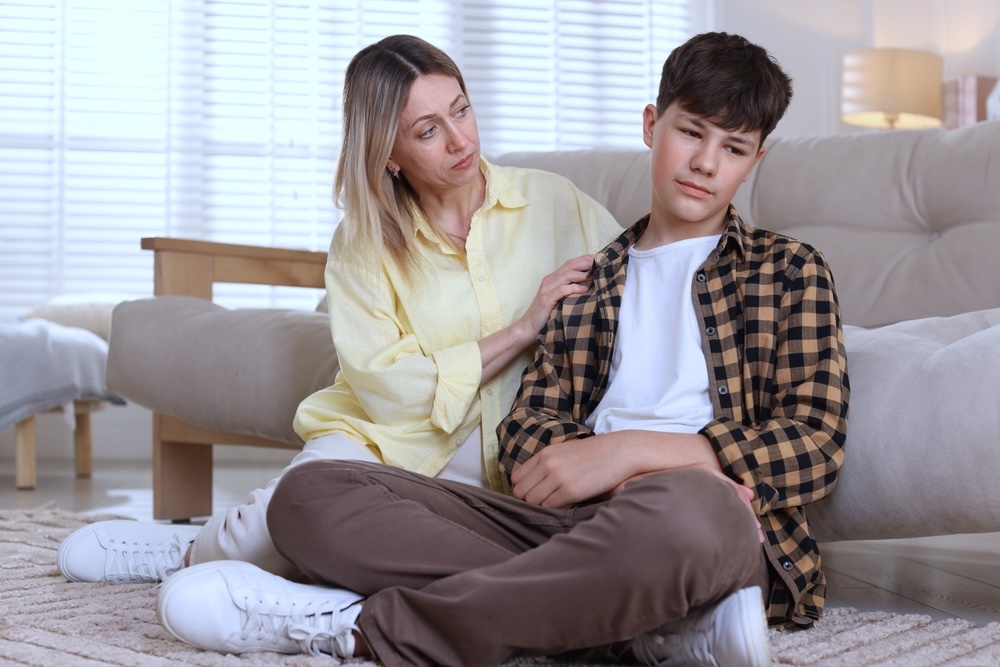
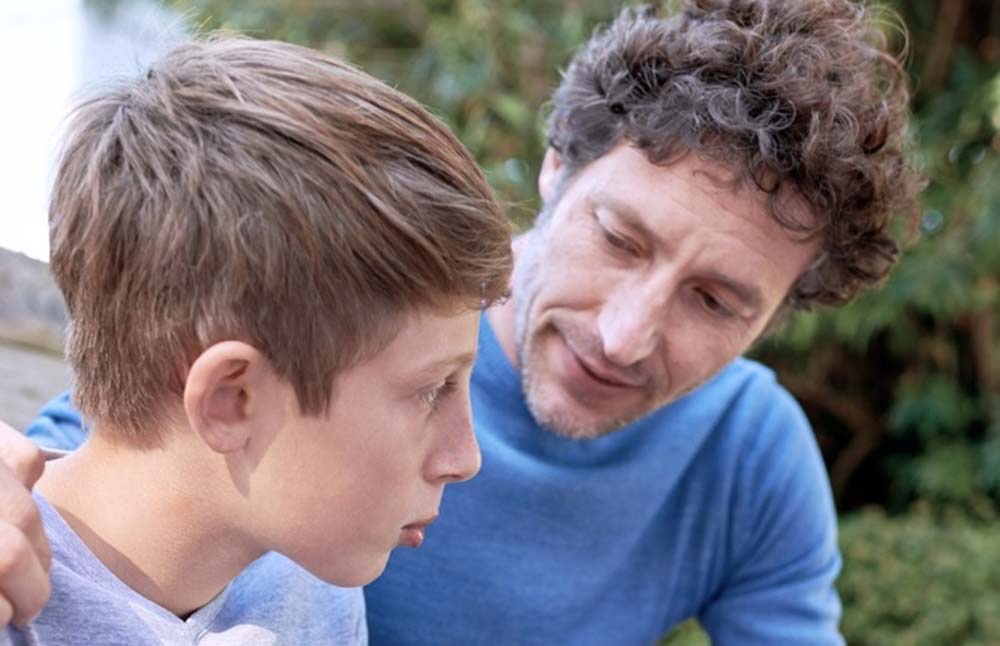
Some teenage boys struggle to talk openly in a traditional setting. Sitting across from a therapist may feel uncomfortable or forced. Your son might avoid eye contact, give short answers, or change the subject. This reaction does not always mean he refuses help. He may need more time and a different way to connect.
Adventure-based therapy creates opportunities for engagement through active experiences. A hike, workout, or recreation activity can make conversation feel more natural. Your teen can interact with staff and peers while working toward a shared goal. These activities do not replace clinical treatment. Instead, they support the relationships and skills that make treatment meaningful. When used within a structured program, adventure-based therapy can help boys participate, communicate, and understand themselves more clearly.
What Adventure-Based Therapy Involves
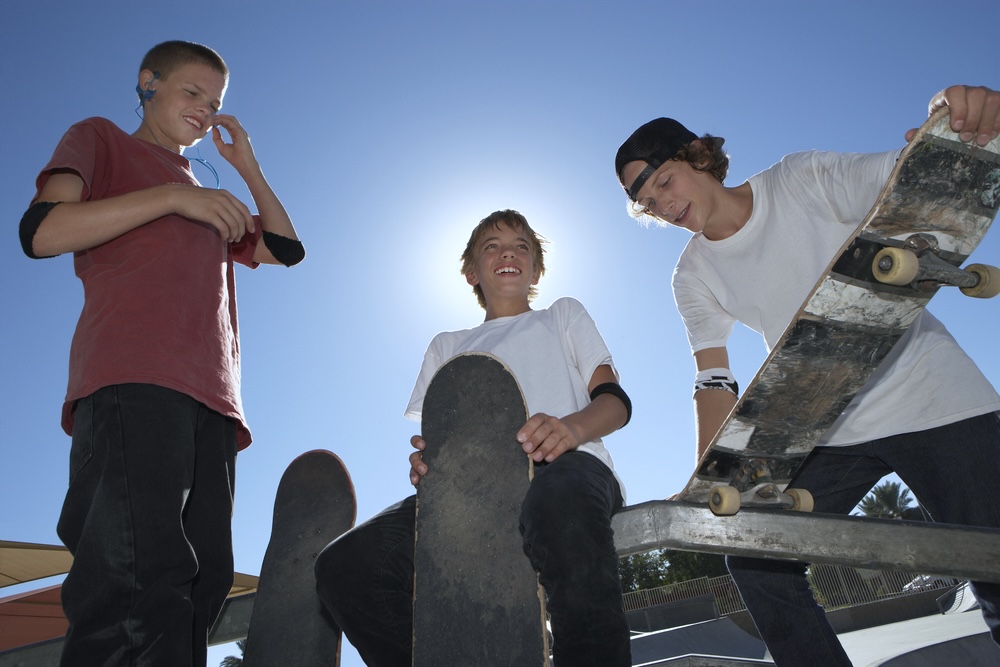
Adventure-based therapy uses planned activities within a broader treatment program. Activities may include hiking, skateboarding, indoor surfing, skiing, snowboarding, wakeboarding, or team sports. Available options depend on the season, setting, and each teenager’s needs. The activity itself is only one part of the process. Staff observe how each teen approaches challenges, follows directions, and responds to others. A therapist may use these moments to begin a conversation.
The group may also reflect on what happened afterward. Adventure-based therapy should have a clear purpose. It is not simply free time or entertainment. The experience can support treatment goals involving communication, relationships, responsibility, and emotional awareness. Traditional individual, group, and family therapy still remain important parts of care.

Active Experiences Can Make Connection Feel Natural
Trust rarely develops because an adult tells a teenager to open up. It often grows through time, consistency, and shared experiences. Some boys feel more comfortable talking while moving or working on a task. The activity removes the pressure of maintaining a formal conversation.
A hike or drive can create quiet space for discussion. Skateboarding or another skill-based activity can give your son something immediate to focus on. A staff member can offer encouragement, ask questions, and learn how he approaches difficulty.
These interactions help staff understand your son beyond his symptoms or behavior. He can also see adults as people who listen and participate. As trust grows, difficult conversations may become easier. That connection can support deeper work during individual and group therapy.
Challenges Reveal Useful Patterns
Teenagers often respond differently when an activity becomes difficult. Your son may become frustrated, give up, ignore instructions, or blame someone else. He may also take unsafe risks or avoid trying because he fears failure.
These reactions provide useful information. Staff can notice patterns as they happen instead of relying only on what your teen remembers later. They can help him pause and consider his response. He may practice asking for help, accepting feedback, or trying again.
The goal is not to judge his reaction. It is to understand what happens when he feels uncomfortable or uncertain. Similar patterns may appear at school, at home, or with friends. Recognizing them during an activity gives your son a practical place to try a different response.
Recreation Can Support Confidence Without Competition
Some teenagers lose confidence after repeated struggles. School problems, substance use, family conflict, or emotional concerns may shape how they see themselves. They may begin to believe they cannot succeed or change.
Learning an activity can offer a different experience. Your teen might complete a difficult hike, learn a new skateboarding skill, or participate with a group. Progress can come through patience and effort rather than immediate success.
Adventure-based therapy should not measure growth by athletic ability. A boy does not need to be strong, fast, or experienced. Trying something unfamiliar may be meaningful by itself. Listening to instruction can also show progress. These manageable successes can help your son see that he can learn, adapt, and continue after setbacks.
Group Activities Build Communication and Accountability
Adventure activities often involve other people. Teen boys may need to take turns, follow safety expectations, or encourage someone who is struggling. These moments create practical lessons about living and working with others.
Your son may discover how his choices affect the group. Arriving unprepared or ignoring instructions can create problems for everyone. Clear feedback helps him connect behavior with consequences. He can then take responsibility and make another choice.
Group experiences can also help boys feel less alone. Other teens may understand parts of what your son is facing. Their situations will not be identical, but shared effort can create a sense of belonging. With staff guidance, boys can practice respectful communication, handle disagreements, and support each other without avoiding accountability.
Physical Activity Adds Rhythm to a Structured Day
Residential treatment involves more than attending therapy sessions. Teenagers benefit from a predictable routine that includes different kinds of activity. School, meals, chores, therapy, recreation, and reflection each serve a purpose.
Adventure-based recreation adds movement and variety to that routine. It gives boys a constructive way to use energy while remaining connected to treatment. The activity can also create a transition between more focused parts of the day.
At Crossroads, recreation fits within a structured, home-like environment. It works alongside assessment, education, therapy, and family involvement. This balance helps prevent the program from feeling like a series of office appointments. Your son still receives clear expectations and clinical support while engaging in active experiences.
Family Therapy Connects Experiences With Home Life
Progress during an activity matters most when your child can apply it elsewhere. A teenager may practice accepting feedback during recreation. Later, they may use that skill during a difficult family conversation. They might also learn to pause after frustration instead of reacting immediately.
Family therapy helps connect treatment experiences with home life. You and your child can discuss communication, trust, expectations, and boundaries. The therapist can help everyone recognize patterns without assigning blame.
Parents remain important throughout treatment. Your observations can help the team understand what happened before admission. You can also learn how your child responds within a structured setting. Together, these perspectives support planning for their next step after residential care.
Adventure Supports Therapy but Does Not Replace It
Recreation can help a teenager engage, but it cannot answer every clinical question. A complete residential program needs careful assessment and individualized treatment. Professionals must consider mental health, physical health, substance use, education, relationships, and the family environment.
At Crossroads, boys work with a primary therapist through individual, group, and family sessions. Educational support and treatment coordination are also part of the program. Adventure-based experiences strengthen this work by creating more opportunities for observation and connection.
This distinction matters when you compare programs. Ask how activities connect with treatment goals. Learn who supervises them and how the team evaluates progress. Recreation should support a thoughtful care plan instead of serving as the entire plan.
Finding an Active Treatment Setting for Your Teen
Adventure-based therapy may help your teen connect with others and participate more fully. It can reveal behavioral patterns and create chances to practice new skills. Still, no single method fits every teenager. Your child’s needs should guide the treatment plan.
Crossroads Academy serves teenage boys ages 14 to 18. Our residential program combines assessment, therapy, education, family involvement, and recreation. Speak with our team to discuss whether the program may fit your son. You can also verify insurance benefits while considering your options.