



Teen Recovery Strategies
Relationship-Based Treatment
Work with teens is most effective when using a relationship-based approach, rather than a behavioral or punitive model. At Crossroads, we have focused on building a program driven by savvy, caring professionals who understand how to appropriately connect to teen boys to best facilitate change. This is accomplished by using evidence-based therapeutic modalities to build a connected, working relationship. Motivational Interviewing (MI) is a proven model for engaging with youth, which includes things like roll with resistance, validate and reflect, ask furthering questions, avoid arguments, and practice affirmation and radical acceptance.
Our staff have been trained in conflict resolution and use deescalating language and connecting language to facilitate change and build relationships in our teen residential treatment programs.
The Seven Challenges
Crossroads Residential short-term program and Crossroads Academy long-term program utilize the Seven Challenges Substance Abuse program to help teens work through their addiction issues as well as their own ambiguity towards change. This program utilizes many of the concepts associated with the “Stages of Change” model and MI. Your teen participates in individual, family, and group therapy associated with addiction recovery, while also working through seven journals that help him explore the underlying issues associated with teen mental health issues and addictions.
Recreation
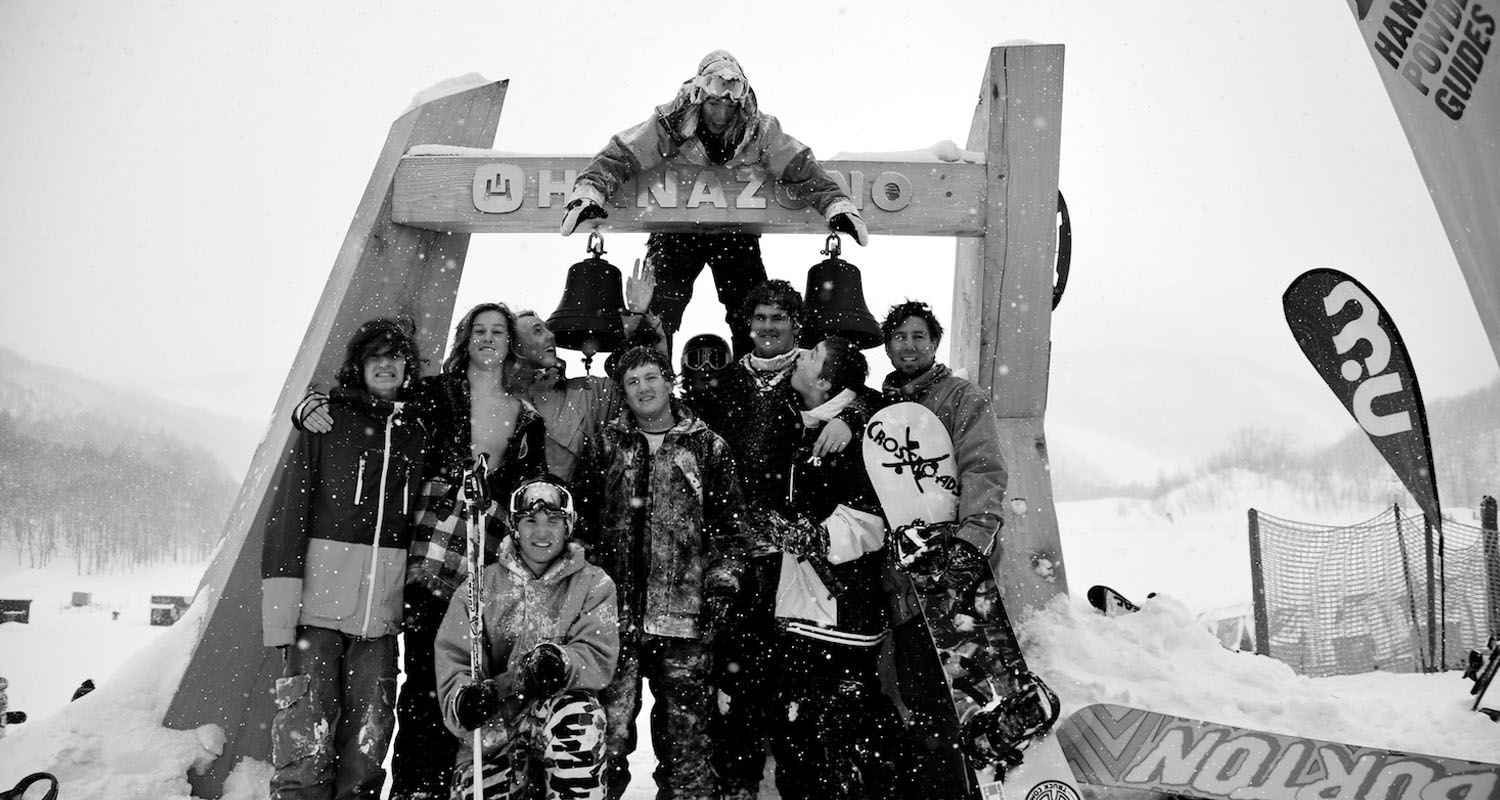
The core beliefs and foundations of Crossroads are rooted in connection through adventure-based recreation and sports. We believe that recovery from addiction and mental health management must be accompanied by an active lifestyle. Participating in outdoor recreation is a proven way to reduce the symptoms of anxiety and depression that are often present with addition.
On a daily basis, adventure-based opportunities are provided for the students to participate in. This includes but is not limited to skateboarding, rock climbing, mountain biking, skiing or snowboarding, wake surfing and wakeboarding. This, in conjunction with going to the gym and other recreational activities, allows for the boys to move beyond “sitting around” talking about problems. Your son will have a unique opportunity to experience stability and assess his life and still be actively living it.
Cutting-Edge Treatments
Exclusive to Crossroads Residential short-term program students.
Our clinicians are trained in modern, cutting-edge modalities including Neuro-Feedback, EMDR, and Brainspotting, which are evidence-based and highly effective at resolving trauma, reducing anxiety, and depressive symptoms.
Programs
We have created a unique environment that emphasizes autonomy and purposeful living. As an established leader in teenage treatment, Crossroads Residential and Academy programs have set the standard for adventure and recreation in a treatment environment.
Our Approach
Recovery work with teens is most effective using a relationship-based approach and recreational therapies to build that connection. Crossroads has set the standard for adventure sports in a treatment setting, in conjunction with a diverse range of therapies and academic intervention.
Is your teen struggling with his mental health or addiction?
Contact Crossroads today — we are here to answer all of your questions and help you choose the right program for your son’s recovery.
Insurance Options
We understand the importance of providing comprehensive support to our families, which is why we partnered with Bridgeway Billing to streamline the insurance billing process for Crossroads Residential short-term treatment services.
If you're considering short-term treatment for your son and would like to have your insurance benefits checked, please fill out Birdgeway's Verification of Benefits Request Form.
If you would like to inquire with Bridgeway Billing regarding our long-term 9 month treatment program, you can do so by emailing info@bridgewaybilling.net.